

Tardiff wins $2.59M NIH grant
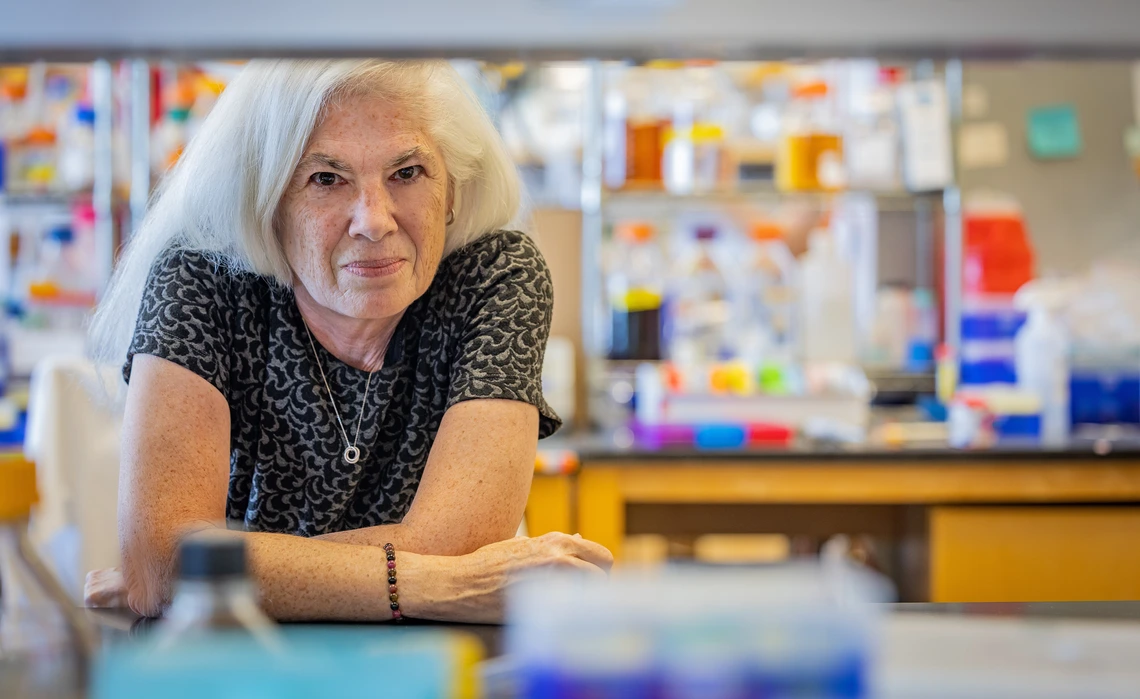
Biomedical engineering professor Jil Tardiff won a four-year, $2.59 million National Institutes of Health grant to identify the molecular origins of hypertrophic cardiomyopathy.
BME professor Jil Tardiff earned a $2.59 million National Institutes of Health grant to track how genetic mutations influence heart disease.
"We've been working toward this research for about 20 years," she said. "It's nice to see these projects culminate in a grant that reflects what we originally built this whole research program around."
Tardiff, who is also a professor of medicine and works with the BIO5 Institute, is collaborating with Steven Schwartz, Regents Professor of chemistry and biochemistry. The team is zeroing in on hypertrophic cardiomyopathy – a common heart disease that thickens the muscle wall and makes it harder to pump blood.
Genetic mutations cause an estimated one in 500 people to inherit the disease. While some patients experience only mild symptoms, others develop heart failure or dangerous arrhythmia.
"We want to understand the molecular events that occur at the very beginning of the disease process," Tardiff said. "If we understand those earliest changes, we can begin thinking about treatments that intervene before the heart has already remodeled."
With the NIH award, Tardiff believes the team's years of foundational work have positioned them to make significant advances.
"We've finally reached the point where we can answer many of the questions we've been asking for years. That's incredibly exciting because every answer brings us one step closer to better treatments for patients."